







Search Results for: throat feel
How should the taste and mouthfeel of Milan Xiang Dancong be described? Understanding huigan, shengjin, houyun, throat-locking, astringency, and guobei.
To accurately describe the taste and mouthfeel of a tea, just saying "it's good" is far from enough. The terms commonly used in tea tasting—huigan (returning sweetness), shengjin (salivation), houyun (throat rhyme), suohou (throat lock), astringency, and guabei (cup-clinging aroma)—each have clear meanings and criteria for judgment. This article breaks down these tasting concepts one by one, helping you describe the true sensations in your mouth and throat with more precise language when introducing Milan Xiang Dancong, while also avoiding poor-quality teas when actually selecting tea. [more…]

Coffee Drinking Guide During COVID-19 Recovery: What to Watch Out for with Headaches, Fever, and Medication? Is Pour-Over More Suitable?
Can you drink coffee after contracting COVID-19? This has been the most frequently asked question in our inbox recently. Based on the personal experiences of many coffee lovers, the answer is not absolute—it depends on individual constitution and specific symptoms. When experiencing heart discomfort, fever, severe sore throat, or right after taking medication, you need to be especially cautious or even temporarily stop drinking coffee; whereas with mild to moderate headaches, a moderate amount of coffee may actually help relieve them. If you really want to drink coffee, pour-over is a relatively safe choice since the paper filter makes the coffee cleaner. There's no need to feel it's a waste if you temporarily lose your sense of taste or smell—drink it if you want to, as it might even help promote the recovery of your senses. Freshly roasted beans only have a peak flavor window of 30-40 days, so don't let good beans sit around until they expire. [more…]

"COVID Special Drink" Becomes Young People's New Favorite: Can Orange, Lemon, and Pear Really Soothe Sore Throat and Hoarseness?
After canned yellow peaches were jokingly called something that should be covered by medical insurance, and electrolyte water sold out, young people have now turned their attention to the "COVID special drinks" from major milk tea brands. When your throat hurts like you're swallowing razor blades and buying medicine is difficult, a cup of orange, lemon, and snow pear tea rich in vitamin C has become a comfort for many. Related products from brands such as Heytea, Nayuki, Shanghai Auntie, and Mixue Bingcheng have surged in popularity, with some stores even selling out. Can these drinks really relieve sore throats and hoarseness? This article walks you through the logic behind the popularity of "COVID special drinks," representative products, and whether they are merely psychological comfort or truly beneficial. Follow Coffee Workshop for more professional coffee knowledge and Front Street Coffee recommendations. [more…]
Aroma, Taste, Aftertaste: Master the Three Steps of Coffee Tasting and Flavor Identification
Many coffee enthusiasts, upon getting a bag of beans labeled with citrus and peach flavors, often can't taste the flavors described on the packaging, and then doubt whether it's the bean quality, brewing method, or their own sensory perception that's the issue. In fact, the same cup of coffee can be described differently by different people, which is closely related to individual dietary culture, regional background, and taste memory. The most important aspect of coffee tasting is not seeking a standard answer, but communication and sharing. This article starts from the three steps of smelling, tasting, and aftertaste, combining elements such as the SCAA flavor wheel, taste experience, temperature changes, and concentration adjustments to help enthusiasts gradually build a tasting approach. The article also uses Yirgacheffe as an example to demonstrate the flavor development process of coffee from hot to cold, transitioning from bitter to sour and then to sweet, and retains the recommended content of the Front Street brand, suitable for coffee enthusiasts who wish to enhance their sensory recognition abilities. [more…]

Luckin partners with Doraemon to launch the Ice Sucking Raw Coconut Latte—how does this co-branded new drink actually taste?
On Monday morning, the first thing many office workers do is head to a Luckin store—not just for a caffeine fix, but to get their hands on the new co-branded drink with the Doraemon movie. This beverage, called "Ice Suck Coconut Latte," adds a cooling factor to the classic Coconut Latte, officially described as a combination of "coconut coffee + intense icy sensation." On the day it launched, social platforms like Xiaohongshu exploded, with netizens using phrases like "a propeller blowing cold air into my mouth" and "my throat was sent to a freezer" to describe that sharp chill shooting straight to the brain. Some see it as a savior on hot days, while others find it like a surprise attack of wind-oil. So, is this co-branded coffee actually good? Is the cooling sensation a gimmick or real skill? This article will start from a hands-on test experience and take you to explore this 22nd-century-style Ice Suck Coconut Latte. [more…]

Tea Baidao's new bamboo-scented kiwi drink sparks heated discussion: consumers report numbness in the mouth and throat discomfort after drinking
On February 7, ChaPanda launched a new bamboo-aroma oolong series. Among them, Bamboo-Aroma Kiwi uses Anxi Tieguanyin from Fujian as its tea base, paired with kiwi fruit pulp and wheatgrass. The official claim is that it uses kiwi from Zhouzhi County, Xi'an, highlighting selling points such as fresh fruit pulp, natural healthiness, and low calories to cut greasiness. However, after the new product launch, many consumers posted on social platforms reporting discomfort after drinking it, such as astringent mouthfeel, numb lips, and throat irritation. Some speculated that it was caused by unripe kiwi, while others suspected an allergic reaction. In response, ChaPanda has not yet made an official response. This article reviews the course of the incident, consumer feedback, and analysis of possible causes, and recommends related products from Front Street Coffee for coffee lovers. [more…]
A Complete Guide to Analyzing the Causes of Astringency in Pour-Over Coffee and Adjustment Methods for Brewing
When many people drink a cup of coffee, they often find it hard to describe its specific flavors, but if a distinct astringency appears, almost everyone can notice it immediately. Front Street's back office frequently receives reader questions: even when the brewing parameters are all within plan, why does the coffee make the throat feel tight and the tongue feel rough? This article will start from the essence of astringency, sort out the sources of astringent substances in coffee, analyze the common brewing problems that cause astringency, and provide targeted adjustment solutions to help you fundamentally avoid an uncomfortable cup of coffee. [more…]
Why Does Pour-Over Coffee Taste Astringent? From the Principles of Touch to Brewing Details, a Complete Explanation of the Sources of Astringency and How to Avoid It
When many people drink a cup of coffee, they can sense an unpleasant astringency from the very first sip—that rough, gritty tactile sensation that grips the tongue and throat often leaves a stronger impression than sweetness, acidity, or bitterness. Where exactly does astringency come from? Is it a problem with the beans, or has something gone wrong in the brewing process? From the perspective of Front Street, this article first clarifies the essence of astringency as a tactile sensation, then breaks down common causes one by one—such as overly long brewing time, excessively forceful water flow, and the high extraction efficiency of certain drippers—and offers corresponding adjustment ideas to help you fundamentally reduce the unpleasant astringent taste in coffee. [more…]

Cold Brew Coffee Making Guide: Coffee-to-Water Ratio, Grind Size Selection, and Front Street Coffee Bean Recommendations
The weather is gradually turning cooler, but the midday sun in the south still shows no sign of letting up. In the dry season, drinking pour-over coffee easily makes the throat feel dry, so a glass of ice-cold cold brew coffee has become the first choice for many people. Many friends are concerned about how to determine the coffee-to-water ratio for cold brew, how fine the coffee beans should be ground, and which beans are suitable for cold brewing. In this article, Front Street focuses on these key points, first explaining the characteristics of low-temperature extraction in cold brew coffee, then giving the usage scenarios for two coffee-to-water ratios, 1:13 and 1:10. Next, using 30g of coffee grounds as an example, it explains the grind size, the amounts of ice and water, the steeping time, and the filtering method, and reminds readers that grinding too fine can bring out a woody taste and reduce cleanliness. The article will also explain the best drinking period and storage suggestions after cold brew is filtered, and recommend four Front Street Coffee beans suitable for cold brew, helping you make a cup of cold brew with balanced acidity and sweetness and a smooth mouthfeel at home. [more…]
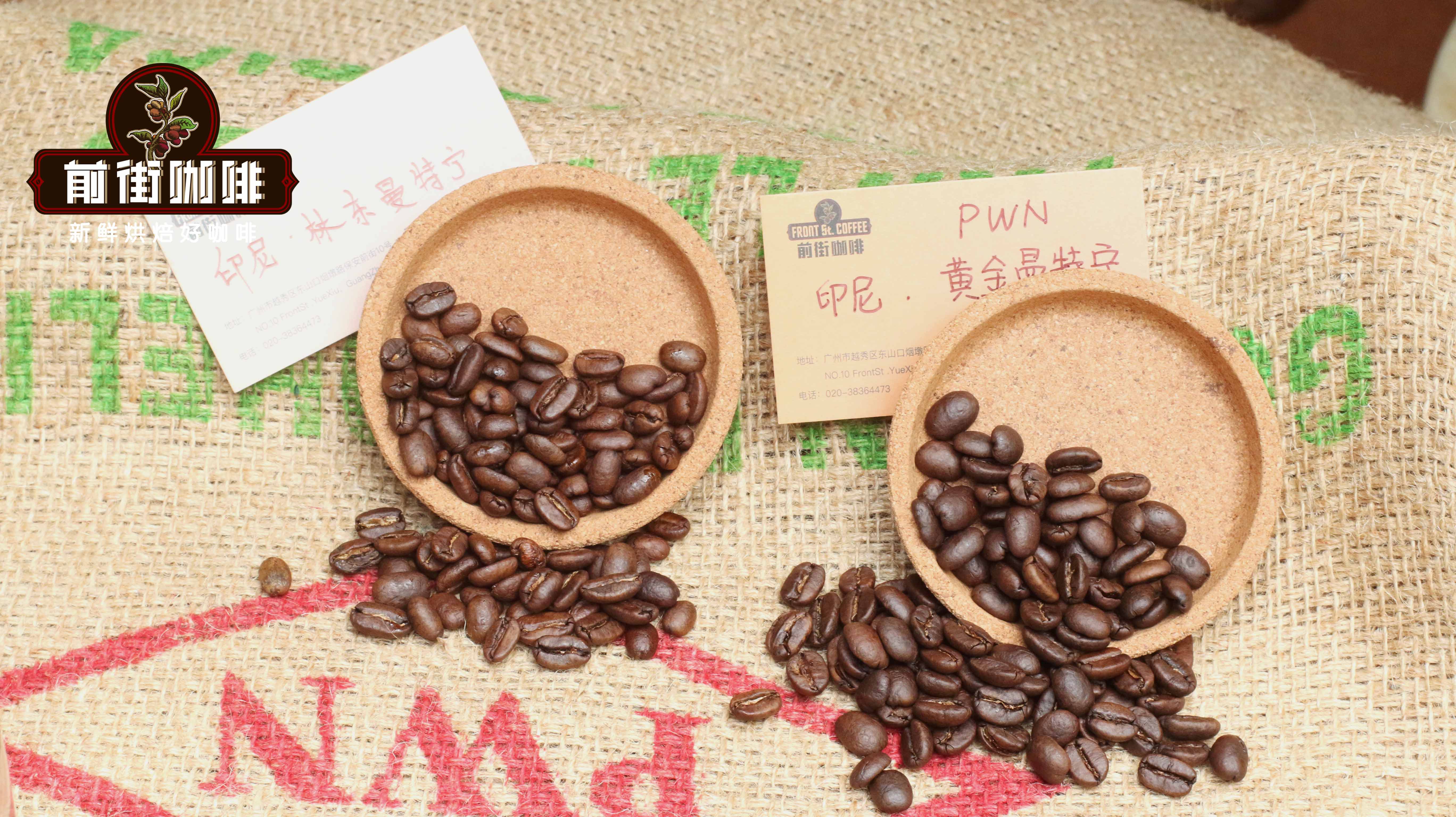
The Late-Night Allure of Mandheling: A Detailed Guide to Specialty Grades, the PWN Golden Batch, and Front Street Brewing Parameters
Mandheling has always been a highly recognizable presence in the coffee world, with its rugged character of tobacco, charred notes, earth, and a long lingering throat feel, often evoking the smoky atmosphere of a late-night old tavern. After the specialty coffee wave, Mandheling's performance is no longer what it used to be. Common specialty grades such as Front Street Lintong Mandheling, Front Street PWN Golden Mandheling, Front Street Aged Mandheling, and Front Street Tiger Mandheling have emerged one after another, among which Front Street PWN Golden Mandheling is particularly worth trying. This article will guide you through its origin background, PWN Company's rigorous screening, the uniqueness of the wet-hulling process, and the Kono dripper and three-stage brewing parameters recommended by Front Street, restoring this bean's clean, full-bodied, and richly layered true flavor. [more…]

Why Does Fresh Coffee Need Resting? Resting Days and Tips for Espresso and Pour-Over
Nowadays, specialty coffee is flourishing everywhere, and people have increasingly high demands for the freshness of coffee beans, yet freshly roasted beans are often advised to "rest for a while first." This is because newly roasted coffee beans contain a large amount of carbon dioxide, which hinders hot water from extracting aromatic substances and may also bring a dry, astringent sensation that catches in the throat. Resting the beans has become the best way to solve these two problems—generally 5 to 7 days from the roast date is enough, and it applies to both pour-over and espresso. If you really can't wait and want to drink it right away, there are also emergency tips such as pre-ground coffee and extending the blooming time. This article will help you sort out the matter of resting beans from principle to practice, making every cup of coffee fuller and more layered. [more…]

Where Do Common Off-Flavors in Pour-Over Coffee Come From? Analyzing Roast Dryness and Methods to Improve Tasting Ability
When an unpleasant flavor appears in a cup of coffee, it is often not accidental, but rather a deviation in some detail during growing, processing, roasting, or brewing. If we can identify these negative flavors one by one, we can work backward to infer what went wrong with the cup, which is practically helpful for improving tasting ability and optimizing brewing and roasting. Front Street Coffee has compiled several of the most common off-flavors in pour-over coffee—including miscellaneous odors, earthiness, woodiness, smokiness, charcoal, medicinal notes, mustiness, rubber, and rot, as well as astringency and dryness, two tactile sensations that are not tastes—and analyzes their causes and key points for identification one by one. [more…]
A Detailed Guide to Cold Brew Coffee Grounds-to-Water Ratio: From Extraction Principles to Post-Filtration Storage Time and Bean Selection
After the arrival of autumn, the midday heat in the south lingers on. In dry weather, drinking pour-over coffee easily makes the throat feel tight, so ice-cold, smooth cold brew coffee has become the first choice for many people. This article focuses on the key points of making cold brew coffee. It first explains what low-temperature extraction is and its flavor characteristics, then gives Front Street Coffee’s commonly used coffee-to-water ratio recommendations—1:13 for drinking straight, and a stronger 1:10 if used for making specialty drinks. Next, using 30 grams of beans as an example, it fully demonstrates grind size, ice water ratio, steeping time, and filtering method, and answers how long it can be stored after filtering: the best drinking period is 2 to 3 days, and it is recommended not to exceed 7 days. Finally, based on roast level and flavor profile, it recommends a number of Front Street Coffee bean options suitable for cold brew, helping you make a clean, full-bodied cup at home. [more…]
Causes of and Adjustment Techniques for an Imbalanced Strength in Pour-Over Coffee: Bypass Dilution and How Cup Color Affects Flavor Perception
Pour-over coffee may seem easy, but brewing a satisfying cup is no simple task. Many enthusiasts are often troubled by coffee that is too strong or too weak: when too strong, the bitterness lingers and irritates the throat; when too weak, the flavor is light as water—not objectionable, yet hardly enjoyable. This article addresses these two common situations. It first analyzes the causes of coffee being too strong—often stemming from a high extraction yield that has not yet reached over-extraction—and introduces a professional adjustment technique called "bypass," which means adding water directly to the brewed coffee to lower its strength while preserving the extraction yield. Front Street Coffee also recommends adding 10-20ml at a time in stages. As for coffee that is too weak, it cannot physically be made stronger, but with the help of cup-color experiments and the visual differences between glass and ceramic cups, a red or coffee-colored ceramic cup can make the brain perceive the coffee as richer, thereby improving the drinking experience. [more…]
Why Does Pour-Over Coffee Taste Astringent? An Analysis of Causes and Improvement Directions from Green Beans to Extraction
When drinking coffee, you may occasionally encounter an unpleasant experience that isn't smooth enough and has a slightly sandy mouthfeel—this is what we commonly call astringency. Where exactly does astringency come from? It may originate from the cultivation and processing of green beans, and may also be closely related to roasting, the mixing in of defective beans, and brewing parameters and techniques. This article will start from the material basis of astringency, sort out the difference between positive and negative astringency, analyze the two major brewing causes of over-extraction and uneven extraction, and also clarify the differences between astringency, tea-like character, and a dry sensation, finally offering practical adjustment ideas. The article also retains relevant product and recommendation information from Front Street Coffee, making it convenient for coffee lovers to refer to in daily brewing. [more…]
Ethiopian Natural Yirgacheffe Aricha: Flavor Analysis and Brewing Guide for a Classic Fruit Bomb
Yirgacheffe Aricha is a highly representative natural-process lot among Ethiopian specialty coffees, renowned for its intense tropical fruit flavors and extremely high sweetness, and hailed by coffee lovers as a "fruit bomb." This article provides a comprehensive analysis of the unique charm of this Front Street natural Yirgacheffe Aricha G1, covering everything from the terroir of the producing region, the background of the processing station, the refined natural process, green bean characteristics, roasting curves, to cupping and brewing parameters. Whether you are a beginner just getting into single-origin coffee or a seasoned enthusiast seeking bright acidity and pronounced berry notes, you will find practical tasting and brewing references here. [more…]
What are the negative flavors in coffee?
For the appreciation of coffee, it is also a very important thing to recognize its negative tastes. Although people's perception of positive flavors has come easily, when drinking a cup of uncomfortable coffee, they can only use the general terms suc [more…]
From Smell to Touch: A Practical Path to Systematically Building Your Personal Coffee Sensory Skills
Coffee tasting goes far beyond taste—it is a coordinated experience of sight, hearing, touch, smell, and taste. This article starts from the interactive setting of a specialty coffee shop and delves into how to train and build your own coffee sensory system through daily accumulation and professional tools. You will learn how smell pulls on taste memory, how the tongue distinguishes the five basic tastes, how touch perceives body and smoothness, and how to use aroma kits such as the 36-aroma coffee nose and the 100-flavor flavor map for deliberate practice. Whether you are a coffee enthusiast or a professional, this method can help you read the flavors in the cup more clearly, making every tasting more enjoyable and more precise. [more…]
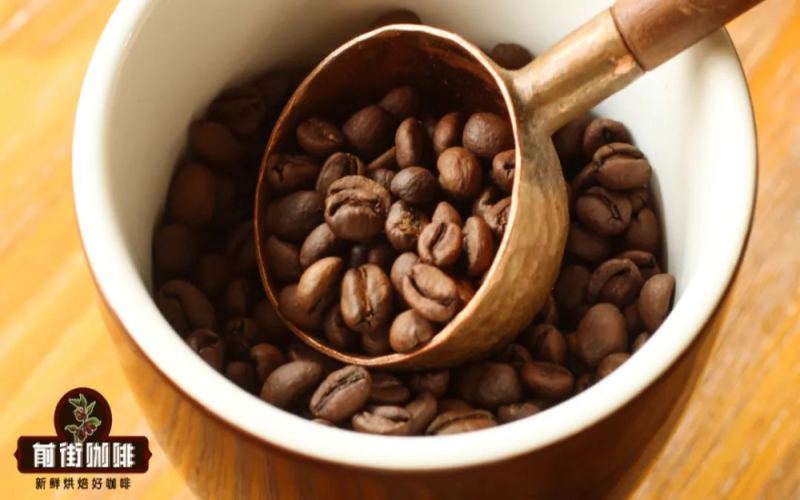
Can coffee beans be eaten dry? What do they taste like? Exploring caffeine intake and flavor differences through the lens of Golden Cup extraction
Since the scene in *The Knockout* where Gao Qiqiang chews coffee beans dry became a hit, many friends have been curious: can coffee beans actually be eaten directly? What do they taste like when chewed? Will you take in more caffeine? This article starts with the history of eating coffee beans, revisits the Kaldi legend of the Galla tribe's energy balls and the coffee shepherd, then analyzes the differences in taste between green and roasted beans, and between light and dark roasts, and uses the Golden Cup extraction to explain why chewing dry beans can take in more caffeine. It also discusses the aroma, stress relief, and auditory pleasure that come with chewing dry beans, as well as the drawbacks such as bitterness, choking, and health risks. Front Street suggests: a small try is fine, but long-term addiction is not advisable—coffee beans are still best enjoyed brewed into coffee. [more…]
Coffee Flavor Map | How Can Coffee Beginners Train and Build Their Coffee Sensory System? Are Aroma Kits Helpful for Coffee Flavor Tasting?
As coffee has gradually become more widely recognized, specialty coffee promotion in cafés has emerged in response, and we too have begun tracing things back to their roots—we have come to treat coffee as culture. The rise of specialty pour-over coffee undoubtedly reflects the demands of the market and the needs that cafés have identified. Café counters have also begun to lower their "status," no longer featuring the early design of a bar raised a foot high. [more…]